Meta is making another push to bring artificial intelligence to the masses with Muse, a personal assistant it says can put AI in the hands of virtually anyone. The product is the latest step in a multi-billion:/meta/685711/meta-scale-ai-ceo-alexandr-wang dollar strategy overhaul:/tech/908769/meta-muse-spark-ai-model-launch-rollout designed to revitalize the company’s ailing position in the AI race and help it catch up to rivals like OpenAI, Anthropic, and Google.
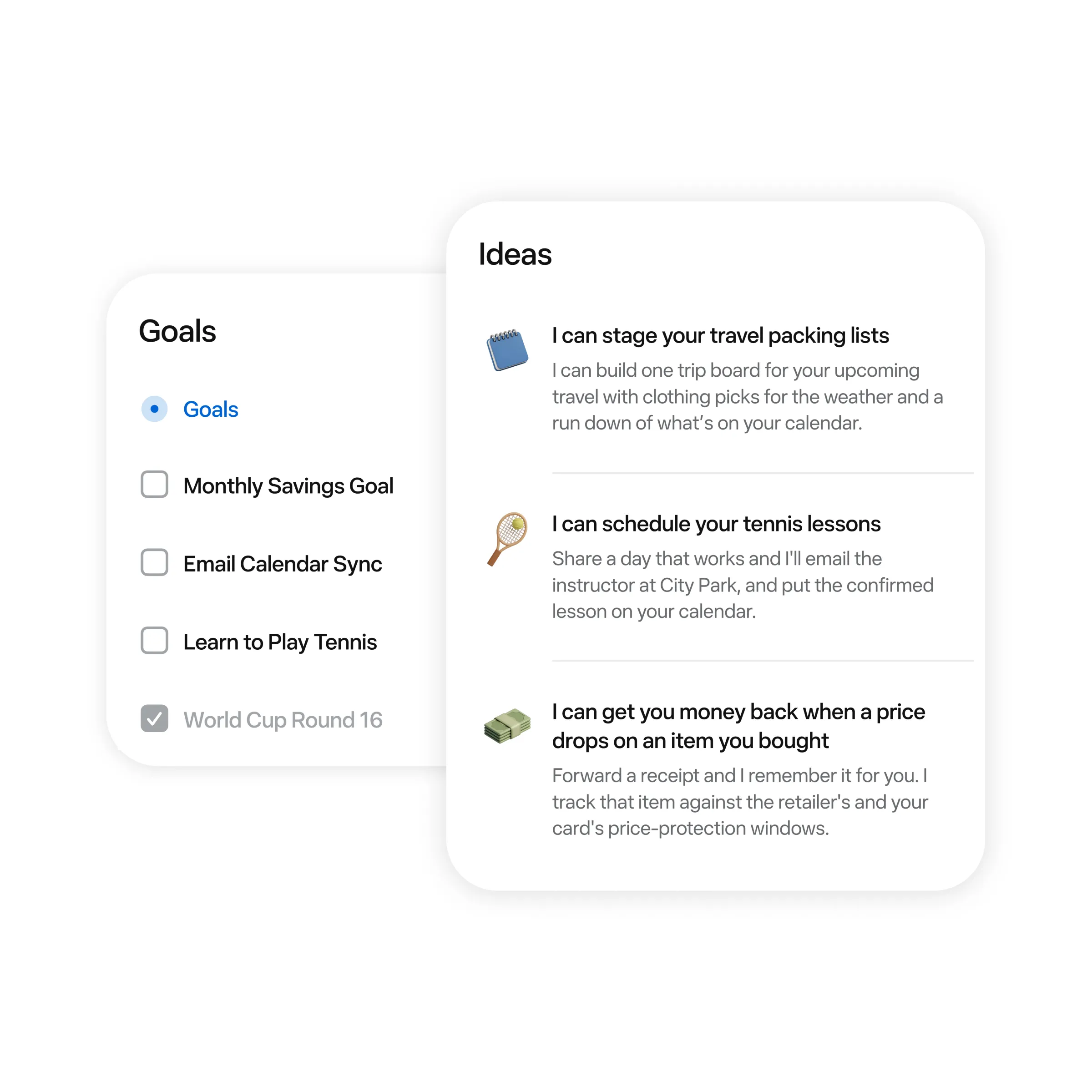
Muse is a “personal AI agent” designed to help out with everyday tasks and projects, like online shopping, sending emails, and planning a trip. Once given a goal, Meta says Muse can work on its own, opening a browser, filling out forms, and even negotiating on users’ behalf. For lengthy tasks, Meta says Muse will continue working in the background after users close the app, returning to users if something changes or if it requires approval for something, such as making a purchase.
Muse will roll out in the US on iOS, Android, and muse.ai, with AI glasses:/report/982414/meta-glasses-work-surveillance-labor-security “coming soon.” The assistant will be free for most users, though Meta said there will be paid subscriptions “for people who want to do more.” The company did not specify the nature and costs of these paid plans, nor outline what limits there are for free users.
“Muse is a first step: an agent that takes on more of the work so people can focus on what matters to them,” Meta said.
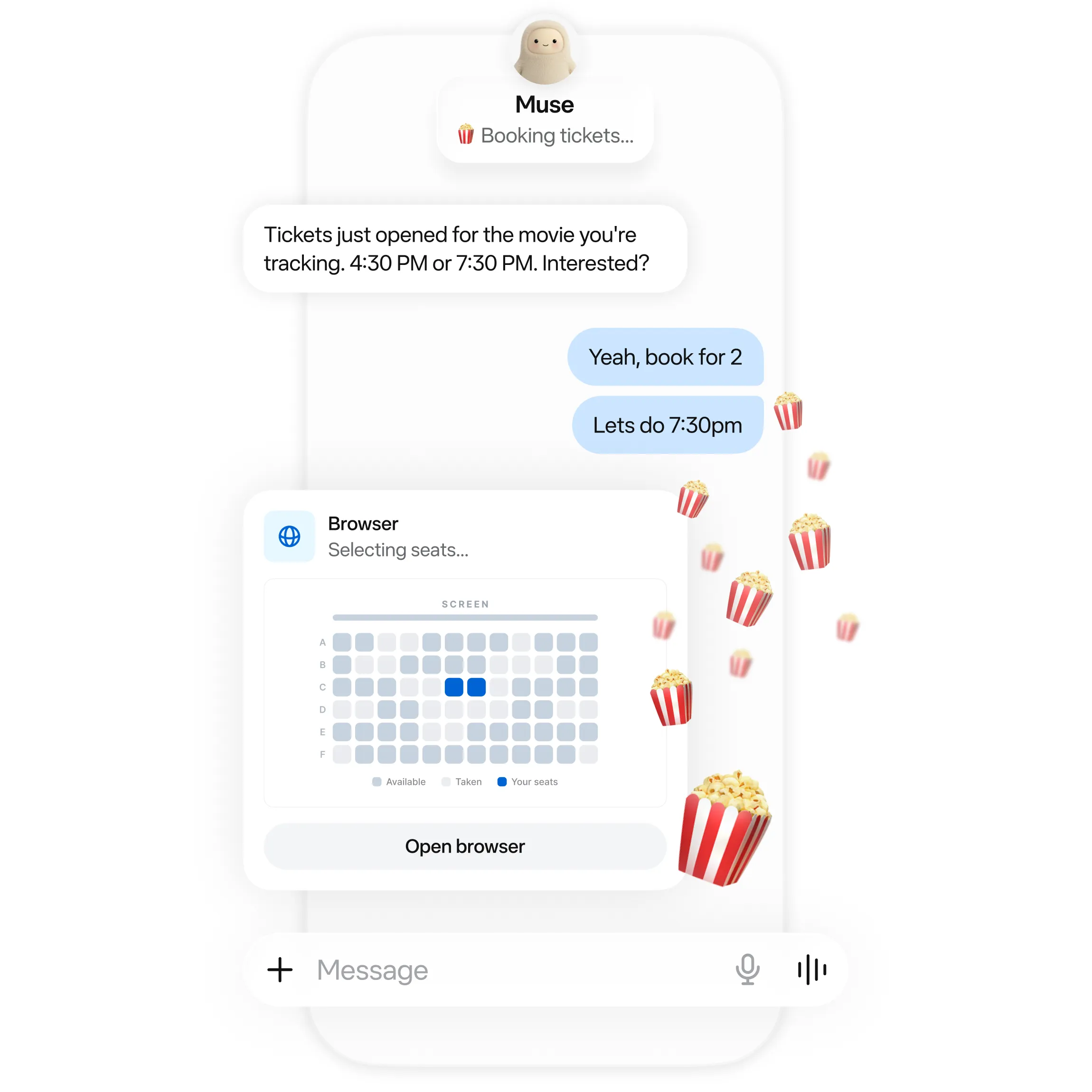
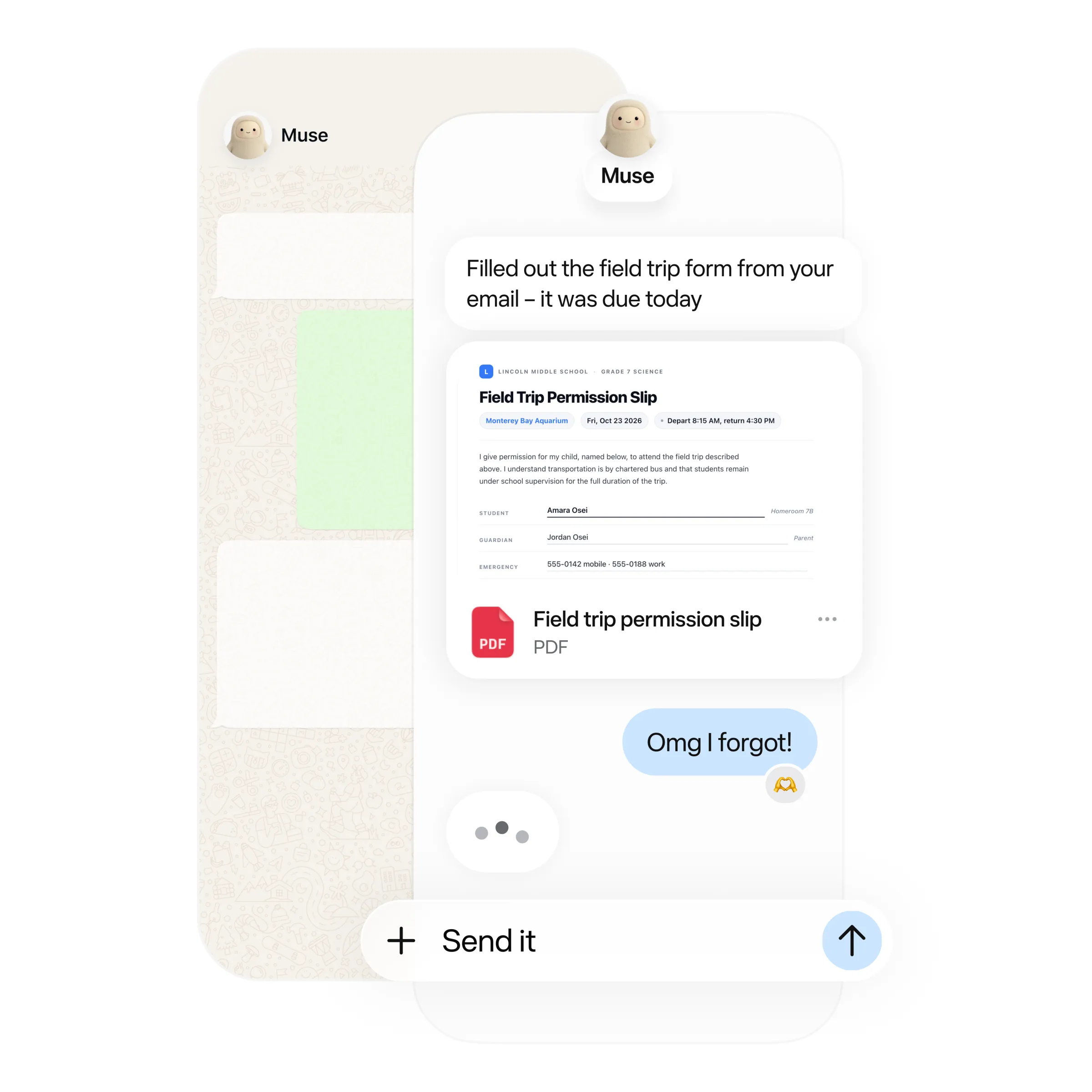
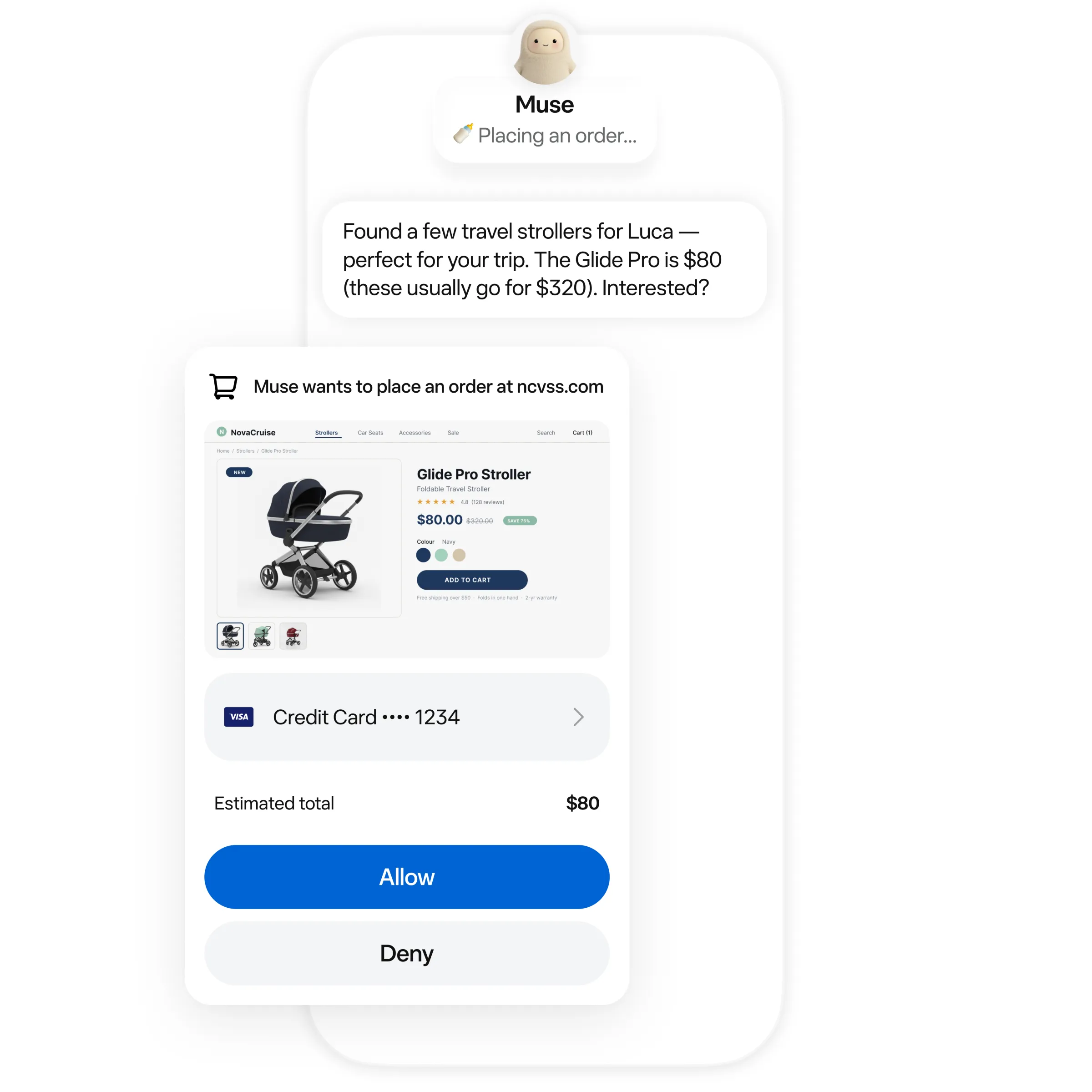
While Meta is pitching Muse as “the world’s first personal AI agent built for everyone,” the product is, in fact, very similar to the growing array of AI assistants, teammates, and coworkers on offer from the company’s competitors. Most tools are indeed aimed at businesses or technically-minded individuals — notably OpenAI’s ChatGPT Work:/ai-artificial-intelligence/963464/openai-gpt-5-6-codex-chatgpt-work, Anthropic’s Claude Cowork:/ai-artificial-intelligence/961978/anthropic-claude-cowork-mobile-web, Microsoft’s Copilot Tasks:/tech/885741/microsoft-copilot-tasks-ai, SpaceXAI’s Grok Bot:/ai-artificial-intelligence/978666/spacexai-grok-bot-ai-agent-beta-launch, and the viral open-source agent Moltbot:/report/869004/moltbot-clawdbot-local-ai-agent — though Google does appear to be targeting a similar audience with its recently-announced Gemini Spark:/ai-artificial-intelligence/941388/gemini-spark-ai-agent-trip-planning assistant.
Ease of use is where Meta hopes Muse will stand out from the crowd. “Anyone can use it out of the box, no technical experience required,” Meta claims, boasting that “there’s no learning curve.” Communication is simple too, as easy as messaging the assistant through the Muse app or WhatsApp, one of Meta’s messaging platforms. It will also readily remember details users share, even if only mentioned once, Meta says, enabling it to make better and unprompted suggestions.
Meta says it plans to introduce a more secure “confidential” version of the virtual machine later this year, encrypted so that even Meta cannot access it. 1Password and Shop Pay support are also on the way, the company said, adding that Muse can already checkout securely with Stripe’s Link.
Muse, powered by the company’s in-house model Muse Spark:/tech/908769/meta-muse-spark-ai-model-launch-rollout, is being positioned as the centerpiece of Meta’s AI strategy going forward as the company seeks to regain ground after years of setbacks and failures.

 Scan to open this article