Google Cloud 推出 Database Operations Agents,实现自主数据库管理
Google Cloud:Databases(RSS)Aioga 编辑团队2026-08-04T16:00:00.000Z热度 60
Google Cloud 在 Agentic Data Cloud 发布中推出两款 AI 数据库智能体:Database Onboarding Agent 负责 Day 0 的...
产品更新Google Cloud:Databases(RSS)
今日 AI 情报摘要
Google Cloud 在 Agentic Data Cloud 发布中推出两款 AI 数据库智能体:Database Onboarding Agent 负责 Day 0
的配置与部署,Database Observability Agent 负责 Day 1/2 的监控、故障排查与维护。
中文正文 · AI 翻译
通向职场人工智能的前门
作为 Agentic Data Cloud 的一部分:https://cloud.google.com/blog/products/data-analytics/whats-new-in-the-agentic-data-cloud?e=48754805,在 Google Cloud Next '26 上发布时,我们宣布了两个由 AI 驱动的数据库代理,以简化数据库管理。这些包括用于第 0 天操作的数据库入门代理—设置、配置和初始部署—以及用于第 1 天和第 2 天操作的数据库可观察性代理,包括监控、排查故障和持续维护。
这些代理始终在线,借鉴了 Google 多年的经验,并在 Google 的各个平台上集成,例如 Chat、CLI、Google Cloud 控制台、托管上下文协议 (MCP) 服务器,以及第三方工具—包括您偏好的集成开发环境 (IDE),因此您可以在需要的时间和地点获得帮助。
As part of the Agentic Data Cloud :https://cloud.google.com/blog/products/data-analytics/whats-new-in-the-agentic-data-cloud?e=48754805 launch at Google Cloud Next ‘26, we announced two AI-powered database agents to simplify database management. These include the Database Onboarding Agent for Day 0 operations — setup, configuration, and initial deployment — as well as the Database Observability Agent for Day 1 and 2 operations, including monitoring, troubleshooting, and ongoing maintenance.
These agents are always on, informed by Google’s years of experience, and integrated across Google surfaces such as Chat, CLI, the Google Cloud console, Managed Context Protocol (MCP) servers, and third-party tools — including your preferred integrated development environment (IDE), so you get help where and when you need it.
Traditionally, managing and creating databases has involved a combination of manual architecture planning, custom scripts, and distinct tools. Teams handle database provisioning, schema design, index configuration, and query tuning, alongside performance monitoring—often cycling through repeated testing and optimization cycles as application demands change. Although this method is functional, it demands substantial technical skill and continuous attention throughout the entire database lifecycle. For example, developers often fear making an update that may limit their ability to scale the system later. Similarly, when an application slows down, finding the exact query or resource constraint causing the issue can take hours of manual investigation and troubleshooting.
Intelligent AI-powered agents can simplify database lifecycle management by automating many of these tasks such as recommending the right database type for the workload, detecting anomalies, recommending the right configurations, optimizing queries, and providing actionable insights to improve operational efficiency. By embedding these capabilities directly into workflows where you need them, agents help organizations build, operate, and optimize databases more efficiently while reducing operational overhead.
Let’s take a closer look at these new database agents.
The Observability Agent empowers Site Reliability Engineers (SREs), DevOps pros, DBAs and developers to diagnose complex issues and remediate them using simple natural language prompts.
As your operations scale, identifying subtle issues like query hotspots or lock contention becomes an expensive burden. The database observability agent uses Google’s operational expertise and the reasoning capabilities of Gemini to solve these challenges. By automatically connecting telemetry across multiple sources including Database Insights, Cloud Monitoring, Cloud Logging, and Cloud Trace the agent provides a clear root cause analysis in minutes.
Beyond just identifying the "why," the agent suggests recommended actions to fix the issues found, and can execute validated actions with your approval. For example, if it detects a bottleneck, it might suggest you "Enable connection pooling for Cloud SQL instance," providing the rationale and expected impact before you commit to the change. Some capabilities include:
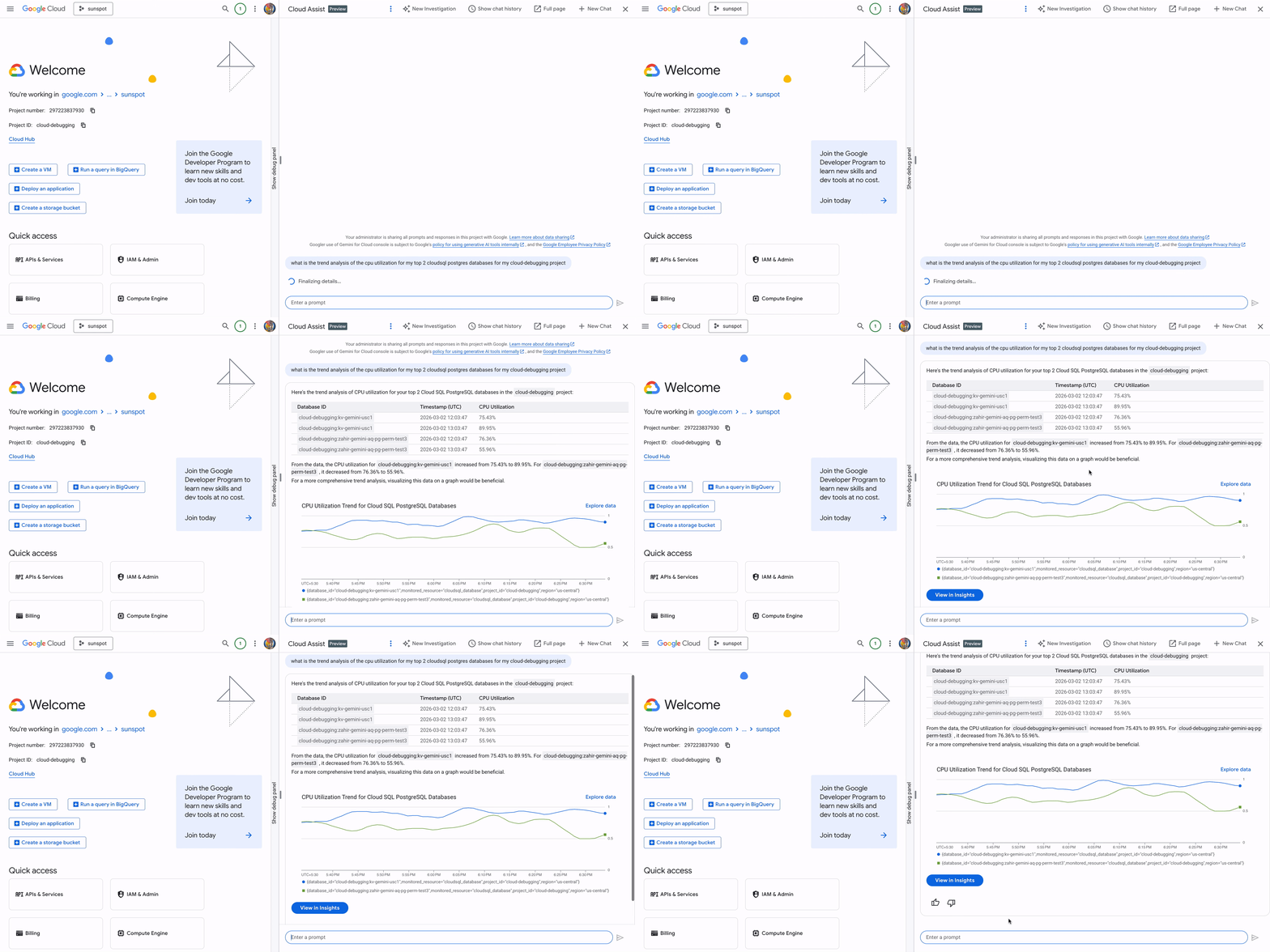
Fleet-level troubleshooting: The Observability Agent is integrated with Database Center so you can use Gemini Chat to ask complex fleet-wide questions like, "Which databases in my fleet consumed the most CPU in the last 7 days?" to receive a summarized analysis across your entire fleet.
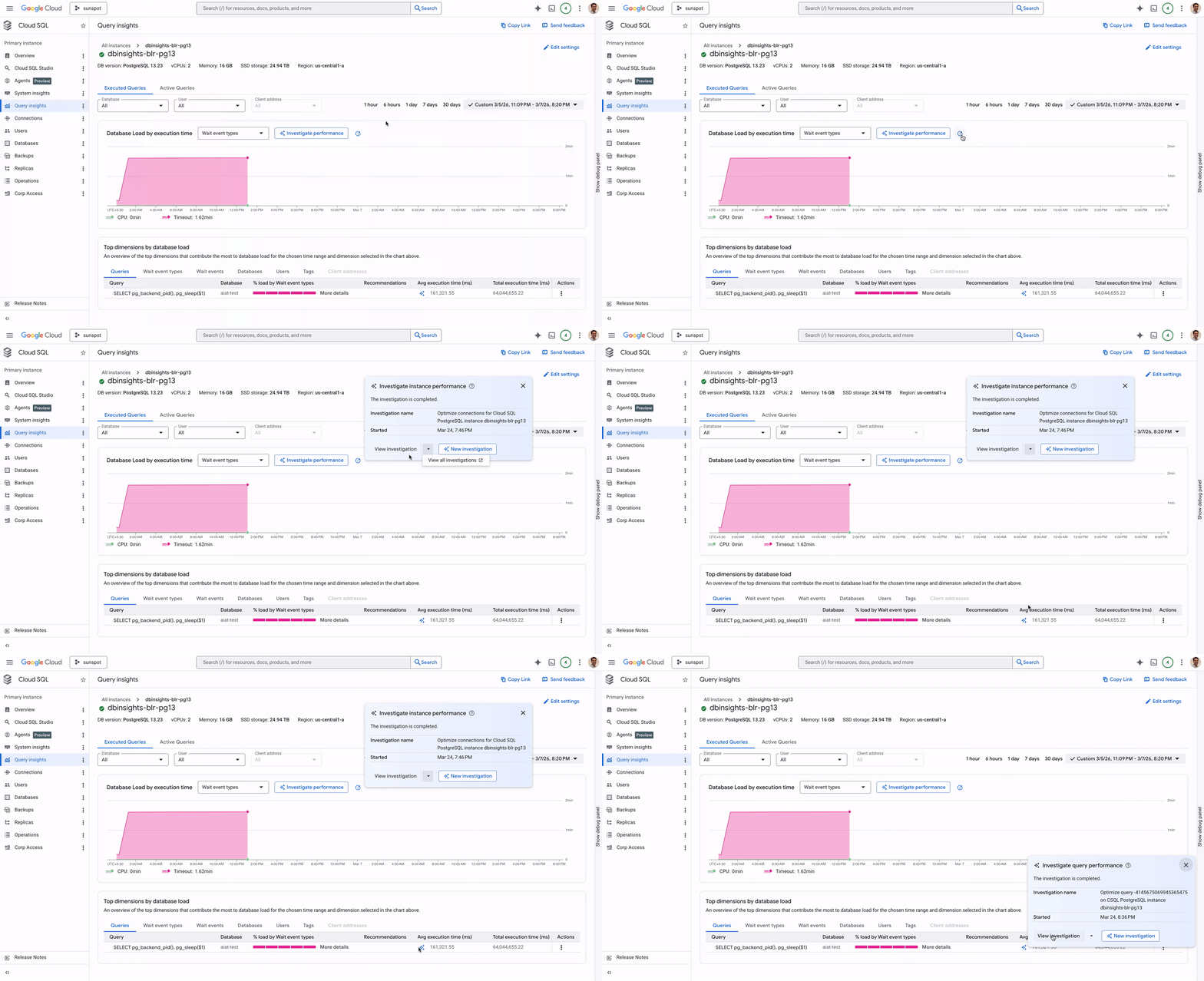
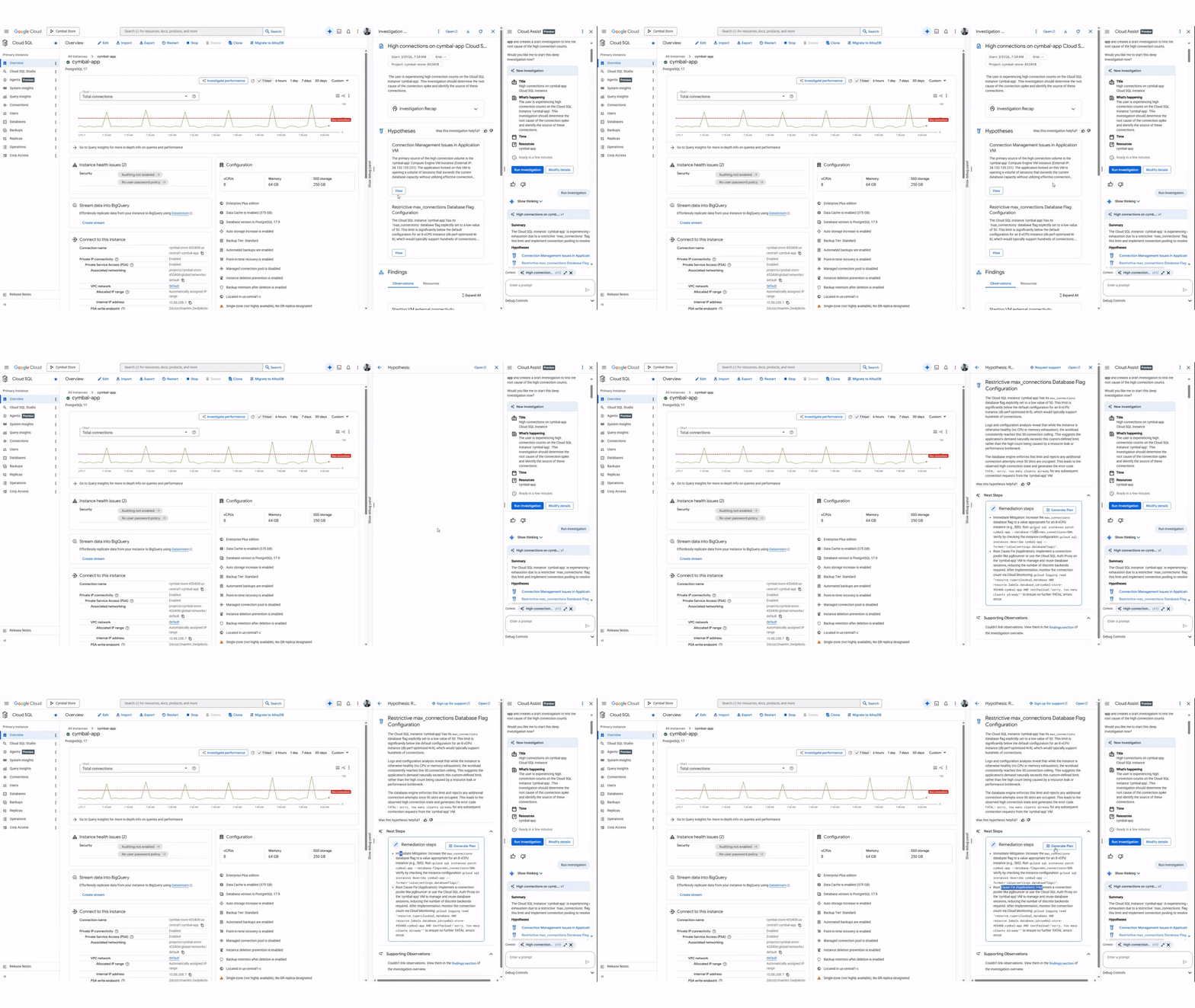
In-product investigations: The agent correlates complex telemetry across Database telemetry, Cloud Monitoring, Cloud Logging, Cloud Trace, and multiple other data sources to pinpoint issues like latency spikes or lock contention. (In preview with select customers)
Validated remediations: Instead of just identifying problems, the agent provides crisp recommendations and can execute validated actions with your approval, such as adding indexes for a Cloud SQL instance. (In preview with select customers)
MCP tools: The Observability Agent derives insights with the help of tools such as system metrics, query metrics, fleet inventory, and issues, which are also available as MCP tools via the Database Insights MCP Server and Database Center MCP Server.
Integration that fits your workflow
You can access these Database Observability Agent capabilities directly within your existing database management processes. The agent powers several experiences, including:
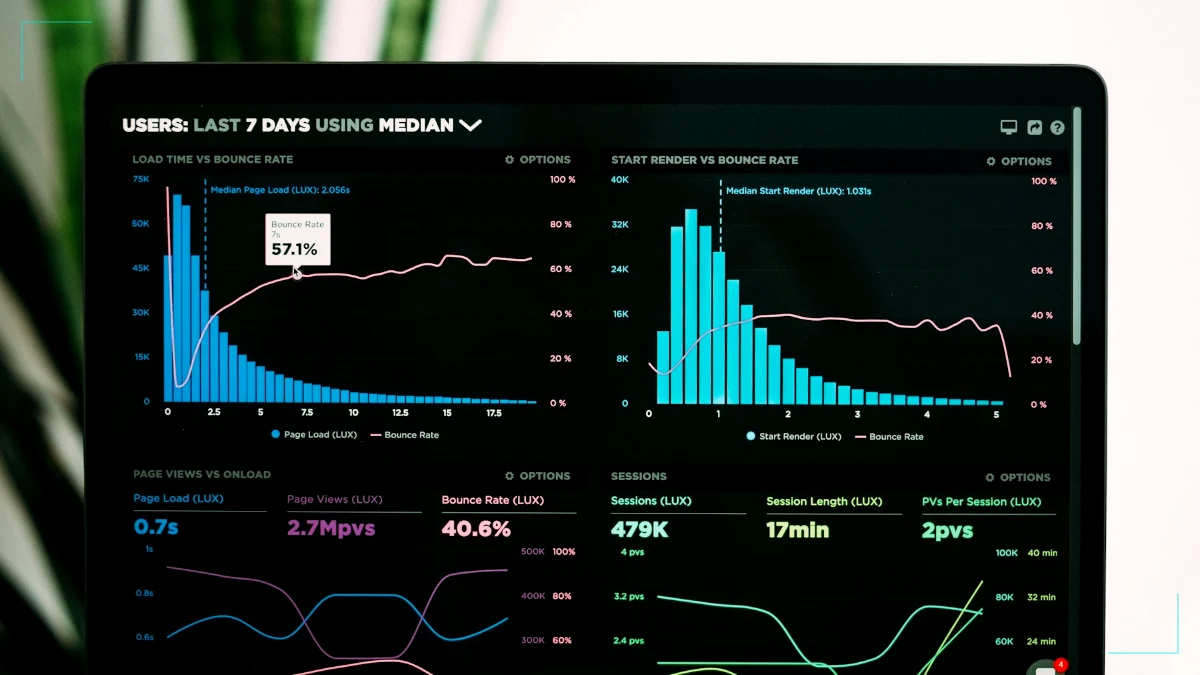
Cloud Assist chat: Ask questions in natural language, for example, "What is the CPU utilization trend for my top Cloud SQL instances?" to get a summarized analysis complete with charts. Then, within the Chat window, you can start an investigation :https://docs.cloud.google.com/cloud-assist/investigations for any issues found,and get a root-cause analysis and remediations.
Supports multiple managed databases
You can use Observability Agent to get answers to your database queries, to access any database metric instantaneously, or to leverage AI-powered diagnosis to resolve complex problems. The agent covers a broad set of issues across a variety of Google Cloud databases, including:
Cloud SQL :https://cloud.google.com/sql : Troubleshoot and optimize your database instance load, query performance or connectivity issues for all Cloud SQL database engines. For Cloud SQL for PostgreSQL, leverage the agent to troubleshoot common database issues.
Similarly, the agent helps you identify issues, find their root cause, and take remediation actions for other supported databases and issue types.
The new Database Onboarding Agent is your active partner during the database selection process. Instead of spending hours reading documentation, you can describe your application requirements to the agent in natural language. The agent understands technical metrics like IOPS, latency limits, and replication lag, so it can provide a sound recommendation. You can access the Database Onboarding Agent’s capabilities directly within the Gemini chat :https://docs.cloud.google.com/cloud-assist/overview interface. With the Database Onboarding Agent, you get:
The Database Observability and Onboarding Agent’s capabilities are available for a wide range of services, including AlloyDB, Bigtable, Cloud SQL (PostgreSQL, MySQL, SQL Server), Firestore, Memorystore, and Spanner. These agents are currently available via Gemini Cloud Assist. Explore AI assisted troubleshooting and Gemini Chat for AlloyDB :https://docs.cloud.google.com/alloydb/docs/monitor-troubleshoot-with-ai , Cloud SQL :https://docs.cloud.google.com/sql/docs/postgres/monitor-troubleshoot-with-ai , Spanner :https://docs.cloud.google.com/spanner/docs/monitor-troubleshoot-with-ai , and Visit Gemini Cloud Assist :https://cloud.google.com/products/gemini/cloud-assist?hl=en&e=48754805 page to learn more.
情报判断
Aioga 编辑摘要
Google Cloud 发布两款 AI 数据库智能体:Onboarding Agent 面向初始设置、配置与部署,Observability Agent 覆盖后续监控、故障排查和持续维护,并接入多种 Google Cloud 及第三方工作界面。
 扫码直达文章详情