Meta 的这个设备也只配备了一个 Jolly 头像,它主要就是坐在那里卖萌,而且它不会像亚马逊 Echo 或谷歌 Home 设备那样自动发现智能家居设备。(在我最初安装之后,这个小装置真的没有做任何有用的事情。)尽管 Meta 的 AI 软件工程师 Anant Narayanan 和 Jeremy Payne 提供了一个不错的示例应用:https://github.com/facebookincubator/muse-gadget-sdk/tree/main/android/musegadgetstest,展示了 Muse Gadgets 如何从你的手机摄像头传输视频,但由于缺少远程快门按钮,它在拍照方面并不那么实用。
但是几次使用 Claude Code 后,几乎填补了所有这些空白。我所要做的只是把 Waveshare 插回电脑,然后让 Claude 对我想要的每个东西重新编程。
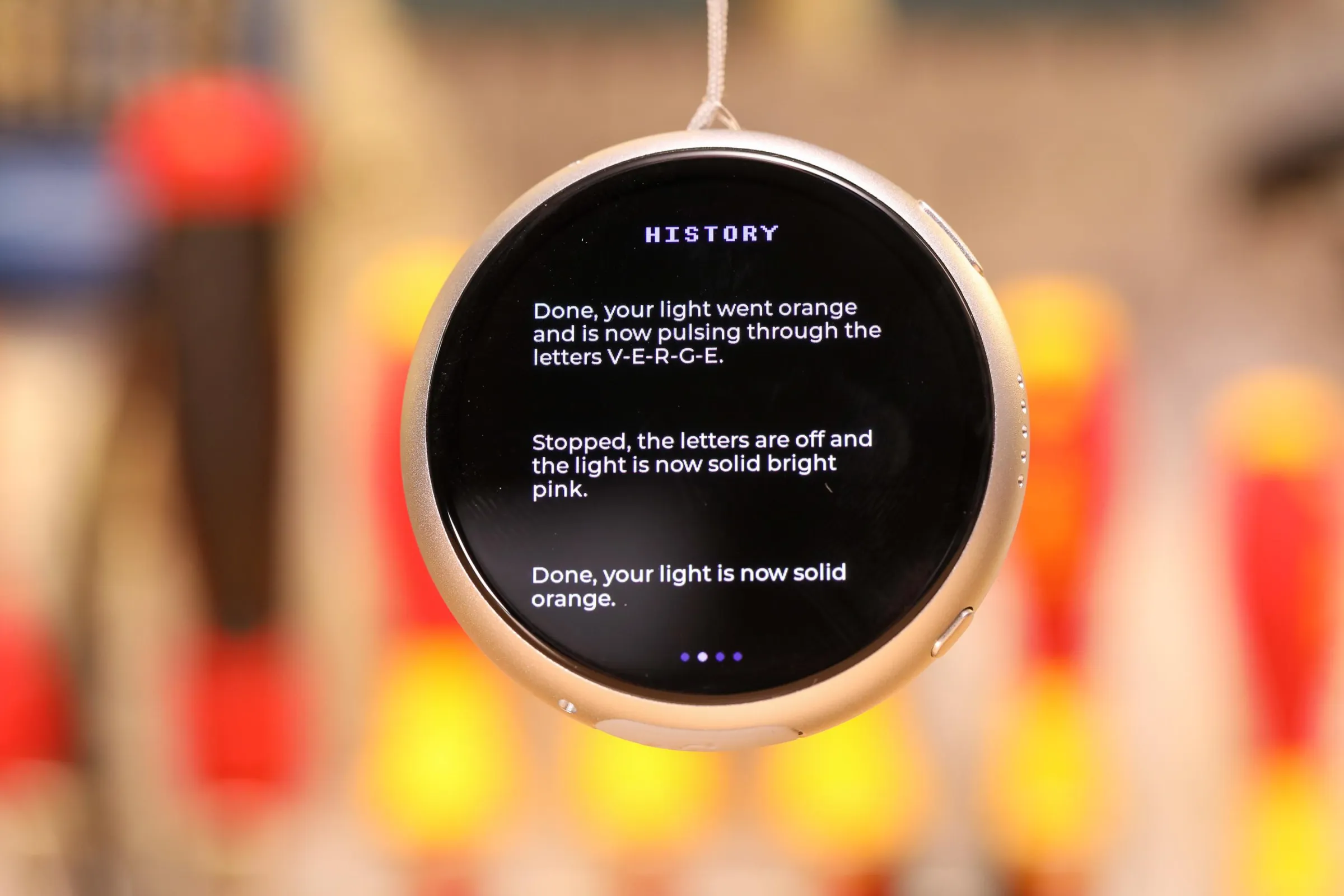
当我抱怨 Claude 我无法正确阅读或听到 Muse 对我的请求的回复时,这也是其他人提到过的问题:https://github.com/facebookincubator/muse-gadget-sdk/issues/121,Claude 创建了一个对话历史页面,我可以右滑阅读它的回复,并且我从 ElevenLabs 插入了一个英国 AI 语音来朗读它的答案。(我和我妻子都认为,这个语音是 ElevenLabs 免费版中最不让人感到无趣的,即使它完全不符合 Muse 头像那种可爱的氛围。)
我让 Claude 制作一整批不同的头像,就像 Meta 在 Meta Connect 上展示的那样,并添加了一个类似电子宠物的小游戏,要求它们需要食物、娱乐、睡觉和洗澡。当游戏似乎太简单以至于无法抓住注意力时,我让它加入了四个不同等级的饥饿、无聊和脏乱。我决定零食吃起来会弄得脆脆的,并且在吃的时候会让头像更脏,而且过度玩耍会让宠物感到疲倦。我的愿望就是 Claude 的指令。
当我注意到自己不小心太早松开了通话按钮,导致 Muse 在几乎空的音频上卡顿时,氛围编码几分钟后就解决了这个问题,只发送超过一秒的音频。我现在看到的唯一明显延迟来自 Meta 自己的服务器——有时它们响应很快,有时延迟相当明显。
Mark Zuckerberg’s Meta made AI look so stinking cute:/column/999999/optimizer-meta-muse-ai-cute by giving it a squishy little face — and this holiday season, he wants to sell you a Muse Charm:/tech/999750/muse-charm-meta-ai-hardware so you can carry your jolly AI helper around like a Tamagotchi.
But I won’t be buying one, because we have Muse Charm at home . It cost just $50, and I’ve decided the learning experience was worth it.
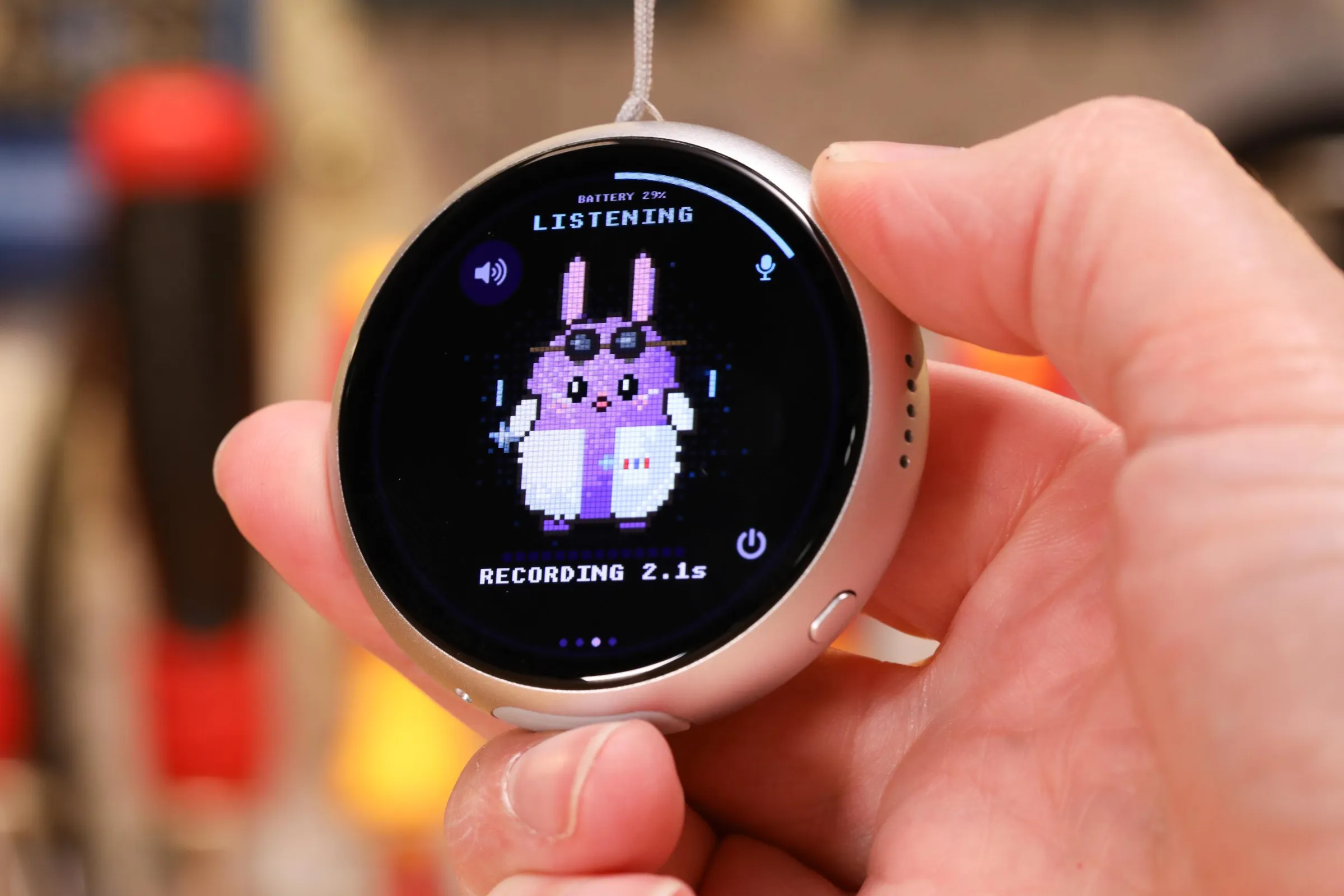
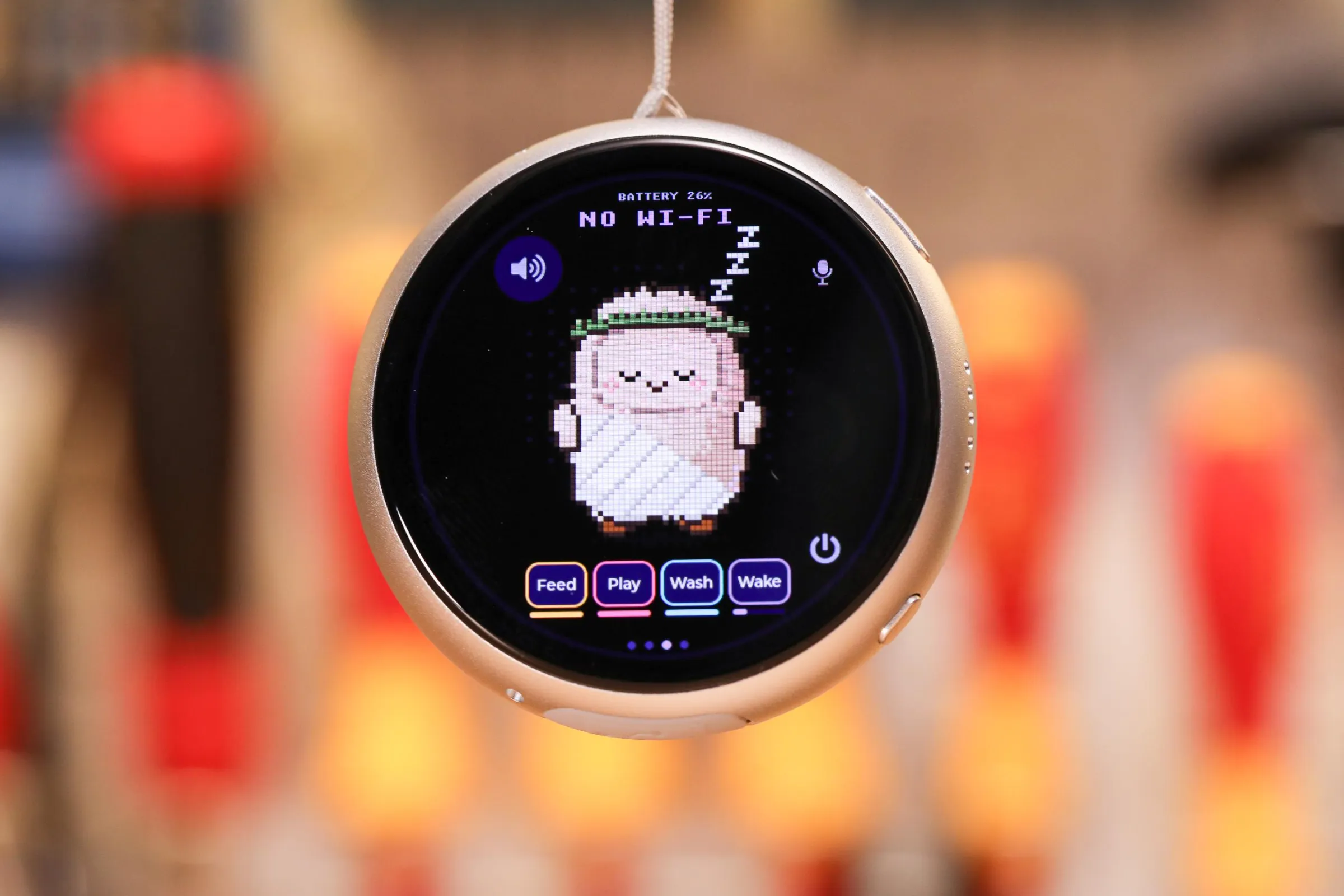
My version doesn’t sport cameras or a 5G cellular radio:/tech/999944/meta-muse-charm-ai-interact-5g-modem, but it really talks to Muse and has cute avatars, too! It doubles as a pocket watch and a remote camera viewfinder, and it can (theoretically) control my smart home.
Or at least it can if you inject a lot of extra vibe code.
Weeks ago, I paid $50 to get a 1.75-inch touchscreen computer pendant drop-shipped from China — specifically the Waveshare ESP32-S3 1.75C:https://www.waveshare.com/esp32-s3-touch-amoled-1.75c.htm. Not only does the push-to-talk AI devkit look a lot like the Muse Charm, but it’s officially sanctioned by Meta. It’s one of the company’s first suggestions if you want to build a “Muse Gadget,”:https://gadgets.muse.ai/ a device that uses Meta’s open-source code and tokens to directly connect to its Muse AI cloud.
When the silver metal pocket watch arrived, it felt pretty useless to start. Setup was easy enough — I just plugged it into my PC and pointed Claude at Meta’s GitHub, then paired it to the Muse phone app. But even after I put Meta’s keys on the device, Muse originally thought I was sending it audio clips to transcribe rather than commands. After I cleared that up, Muse’s responses were still slow, and it didn’t answer me out loud. It was hard to tell what it was saying since it only showed a few words onscreen at a time, with no place to read full messages unless I whipped out my phone with its own Muse app.
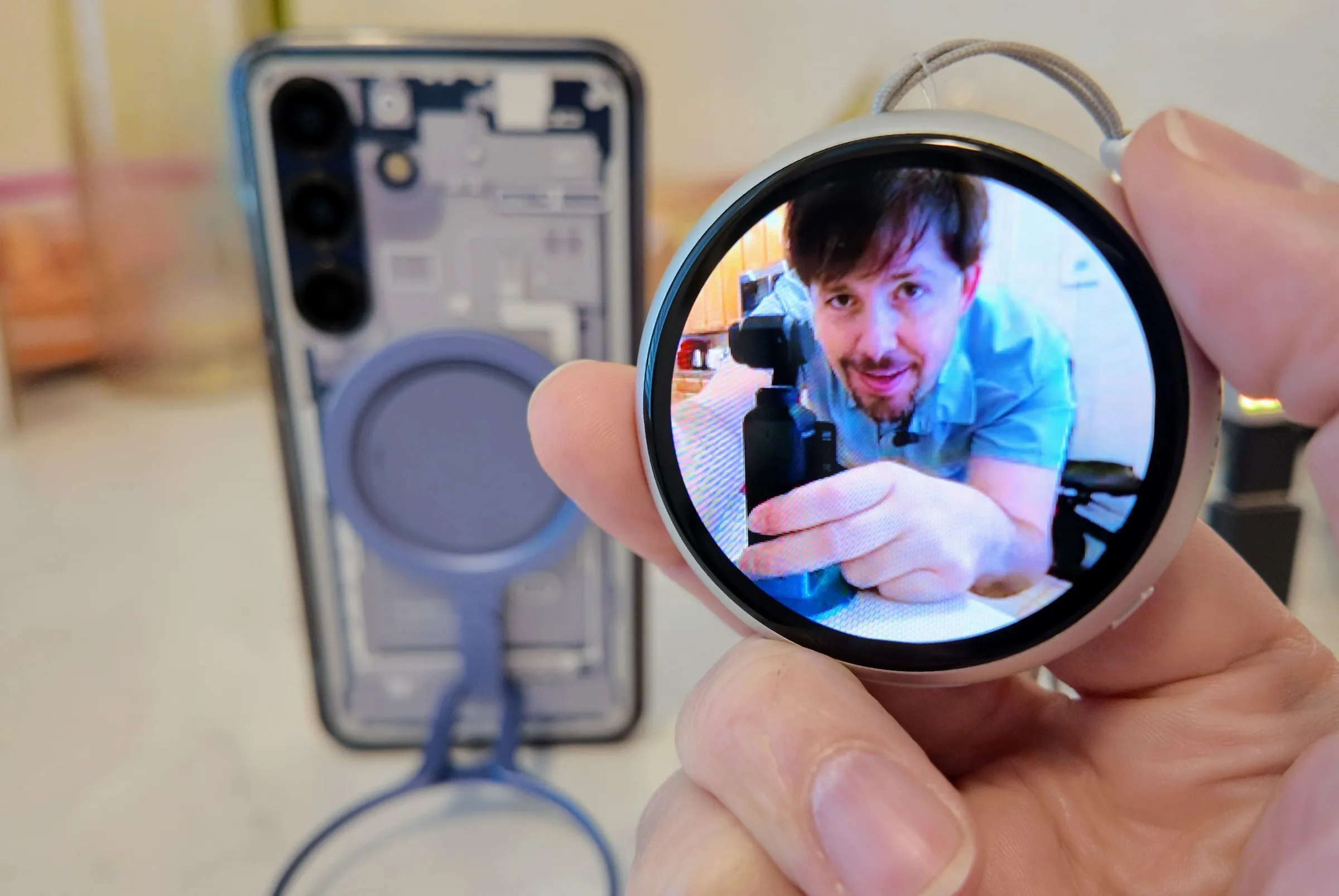
Meta’s build also only came with a single Jolly avatar that mostly just sat there and looked cute, and it wouldn’t automatically discover smart home gadgets like Amazon Echo or Google Home devices do. (This gadget really didn’t do anything useful after my initial install.) And though Meta AI software engineers Anant Narayanan and Jeremy Payne include a neat sample app:https://github.com/facebookincubator/muse-gadget-sdk/tree/main/android/musegadgetstest showing how Muse Gadgets can stream video from your phone camera, the lack of a remote shutter button made it not so useful for taking photos.
But a few sessions of Claude Code filled in almost all those holes. All I had to do was plug the Waveshare back into my PC, then ask Claude to reprogram each thing I wanted.
When I complained to Claude that I couldn’t properly read or hear Muse’s replies to my asks, issues that others:https://github.com/facebookincubator/muse-gadget-sdk/issues/121 have mentioned as well:https://github.com/facebookincubator/muse-gadget-sdk/issues/121, Claude built a conversation history page so I can swipe right to read what it said, and I plugged in a British AI voice from ElevenLabs that speaks its answers out loud. (The voice was the least soul-sucking of the ones in ElevenLabs’ free tier, my wife and I agree, even if it doesn’t match the Muse avatars’ cuddly vibe at all.)
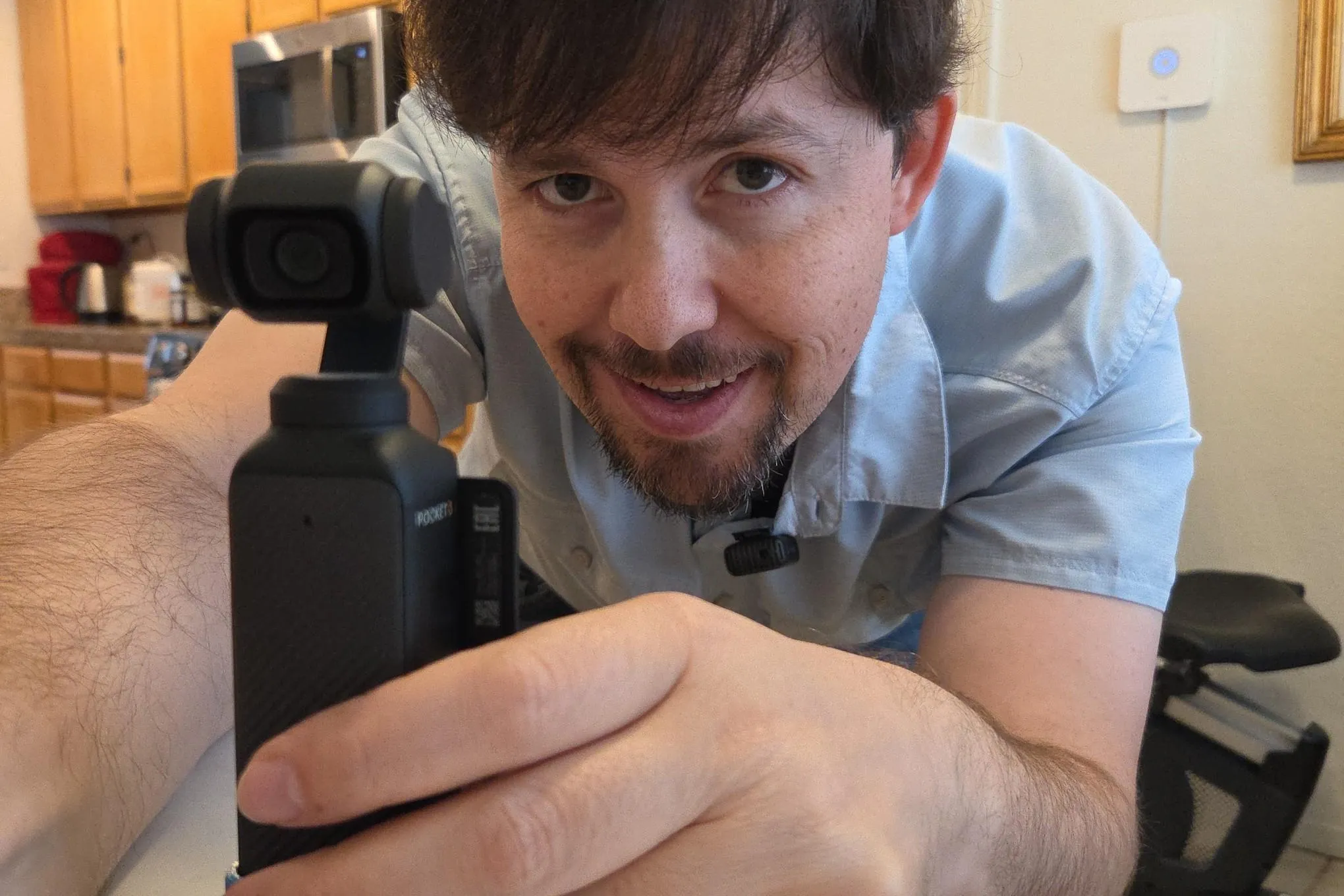
Thanks to Claude, I can now press a button to make my phone take a picture from across the room with a high-quality live preview, and my phone’s front-facing camera no longer displays upside down. Claude made fairly short work of adding a low-quality camera preview over Bluetooth, too, so I don’t need to be on home Wi-Fi to get photos from creative angles.
I asked Claude to make a whole batch of different avatars like the ones Meta showed off during Meta Connect, and to add a Tamagotchi-like minigame where they need food, play, sleep, and a bath. When the game seemed too simple to capture any attention, I had it add four different levels of hunger, boredom, and dirt. I decided treats should make a crunchy mess and get avatars dirtier when they eat them, and that too much play should tire out a pet. My wish was Claude’s command.
When I noticed I was accidentally letting go of the push-to-talk button too soon and making Muse choke on almost-empty audio, vibe coding fixed it minutes later by sending only audio over one second in length. The only obvious lag I’m seeing now is from Meta’s own servers — sometimes they’re responsive, sometimes they lag quite a bit.
It was so easy to let Claude reprogram the pendant that I asked it to build a few features specifically for this video in this story, including a working pocket watch face with three hands that actually tells the time. (That took it 15 minutes; now, when I say the hardware looks like a pocket watch, you can see what I mean!) It even found, downloaded, trimmed, and loaded video clips of Zuck introducing the Muse Charm and installed a video player so I could play those clips on the Waveshare.
I want you to understand I have no coding experience, and so I have no idea if any of this code is good. It might be fatally flawed. Nor do I trust Meta or its Muse agent with my email or my home network, particularly after hearing how it leaked one reviewer’s home address:/ai-artificial-intelligence/1001886/meta-muse-ai-facebook-marketplace-security-concerns. (I put it on guest Wi-Fi from the get-go as a precaution.)
That means I don’t really know how useful a Muse Charm may or may not be for those who do know how to code and are willing to take a bigger leap of faith. But after nearly dropping a bulky little silver pendant a couple of times, one with no more Muse functionality than my phone (and quite a bit less without additional code), I’m thinking Muse itself isn’t the reason to buy a dedicated compute pocket watch.
The reason to have a dedicated piece of hardware is to do things you can’t do on the phone that’s already in your pocket, like coding the entire gadget to do whatever you want. Which makes me wonder: Will the actual Muse Charm be this freely programmable, or would the kind of people who’d buy one be better off with a development kit? I guess we’ll see when it ships.
情报判断
Aioga 编辑摘要
The Verge 作者在 Meta 正式发售 Muse Charm 前,以 50 美元购入 Waveshare ESP32-S3 1.75C 开发套件,接入 Meta 开源的 Muse Gadget 代码,并使用 Claude Code 修改设备功能。
背景分析
该开发套件配备 1.75 英寸触摸屏,获 Meta 官方认可,可使用 Meta 的开源代码和令牌连接 Muse AI 云端。初始版本支持与 Muse 交互及头像显示,但存在响应慢、屏幕信息有限等问题。
Aioga 观点
Aioga 判断:这次实践显示,开放代码与通用开发套件可以让用户围绕现有 AI 服务进行硬件定制,但实际体验仍取决于设备交互设计、软件调试和功能完善程度。
影响与后续
可能影响:低成本硬件接入开放软件,可能降低尝试 AI 终端开发的门槛;但这不代表自制设备能够完整复现商业产品能力,用户仍需要处理响应、语音输出、智能家居发现等不足。 后续观察:应关注 Meta 是否继续扩展 Muse Gadget 的开发支持、设备能力和示例应用,也需要观察第三方开发者能否在现有代码基础上改善交互与实用功能。

 扫码直达文章详情